Early Detection and Prediction of Vector-borne Viral Zoonotic Pathogens
Overview
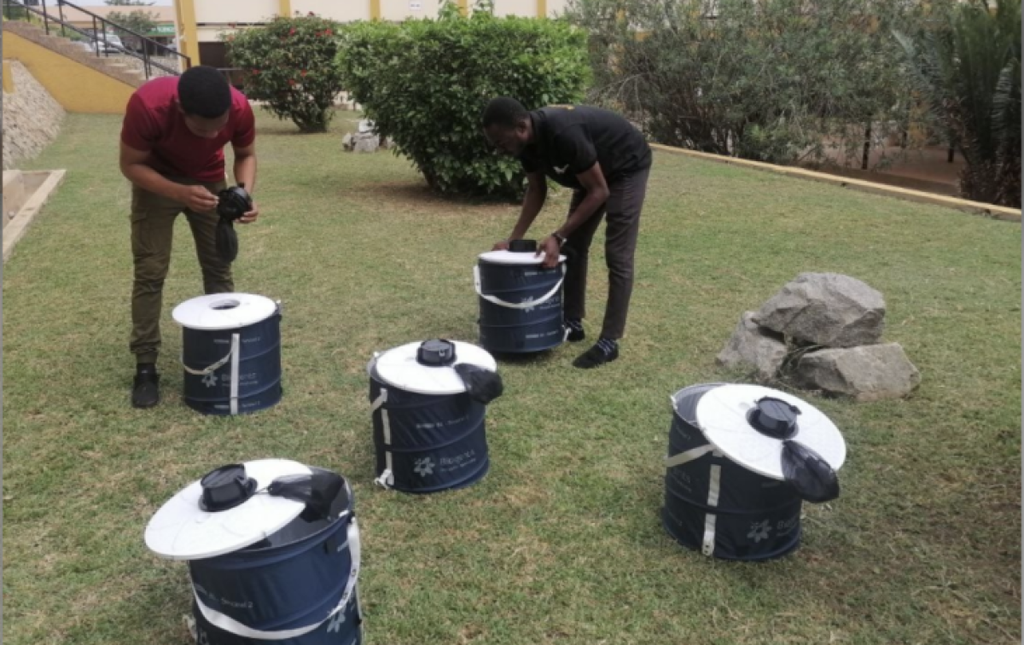
This project leverages an automated vector surveillance system powered by bioacoustic sensors and IoT technology to detect, classify, and count mosquitoes. By capturing mosquitoes across various locations and analyzing their wingbeat sounds alongside image-based data, a deep learning model accurately identifies disease-carrying species, including those responsible for malaria, dengue, and Zika.
The system integrates AI with satellite data to forecast potential disease outbreaks by identifying environmental conditions favorable to mosquito breeding. Scientists also employ next-generation sequencing to detect emerging viruses in mosquitoes and animals that could pose a risk to humans.
IoT-enabled sensors connect to the internet, enabling real-time, large-scale monitoring at lower cost, making vector surveillance more efficient and accessible.
Implemented in partnership with the Public Health Division of Ghana, the project strengthens national disease surveillance infrastructure and expands monitoring capabilities to include other vector-borne diseases beyond malaria and dengue, supporting proactive, data-driven public health interventions.