AI4D Innovations
The AI4D Innovation and Use-Case Gallery showcases the tangible outputs of our commitment to inclusive and ethical AI. By partnering with multidisciplinary research networks and local startups, we have catalyzed a portfolio of projects focused on critical sectors including agriculture, education, climate action, and public health. This page highlights our "responsible-by-design" approach, showcasing how Majority World expertise are solving local problems with scalable, data-driven technologies. Dive into our current innovations to see how we are building a robust foundation for the region's digital future.
Featured Innovations
4-tier Approach for Deforestation & Climate Change
Deforestation and climate change threaten Tanzania’s forests, biodiversity, and local livelihoods. This project combines IoT sensors, AI models, mobile apps, and drones to detect illegal logging and early signs of fires. Community-contributed data guides AI predictions, while alerts and policy briefs empower rangers and policymakers. The result is a scalable, community-driven model for sustainable forest protection.
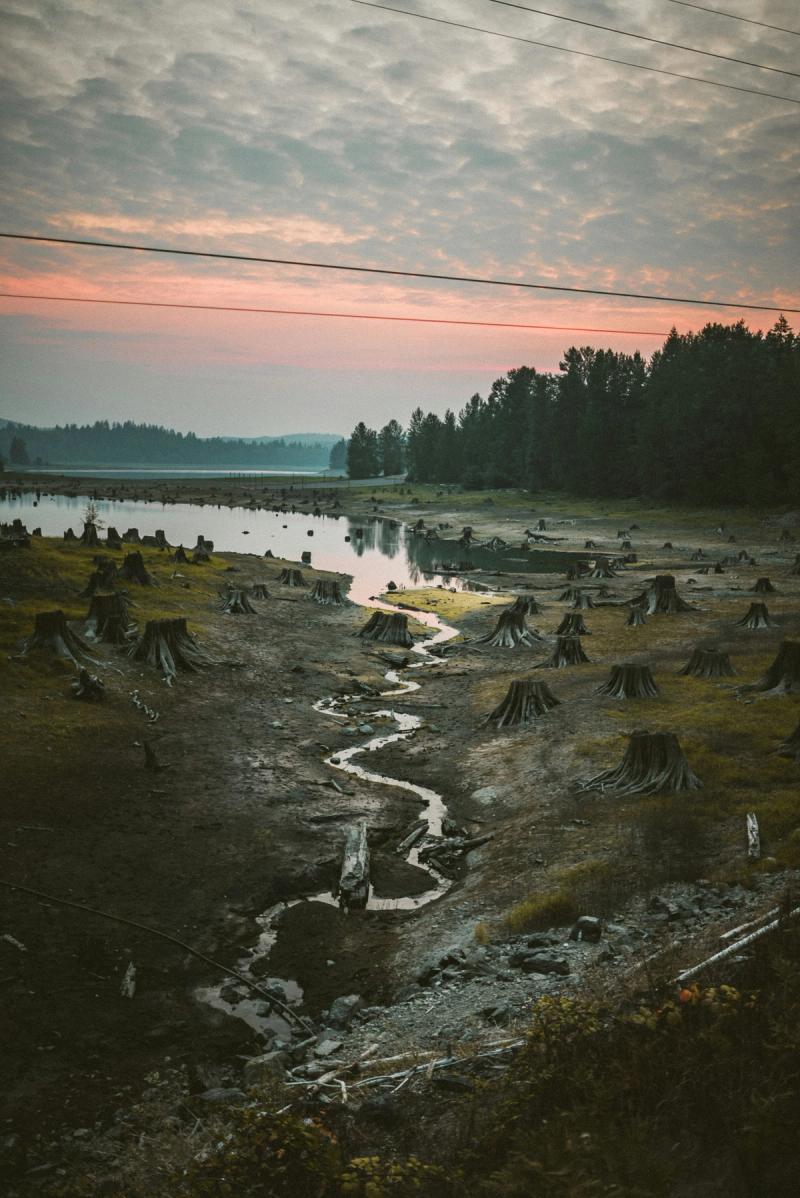
Photo Credit: Unsplash
AI/ML for Congo Basin Climate & Renewable Energy
A University of Bamenda–led initiative is using AI and machine learning to bring clean energy and climate intelligence to rural Cameroon. By modeling climate change, predicting renewable energy potential, and monitoring landscapes, the project supports solar power deployment, informs regional planning, and builds local capacity especially for women offering a scalable, community-driven model for responsible AI in low-resource settings.
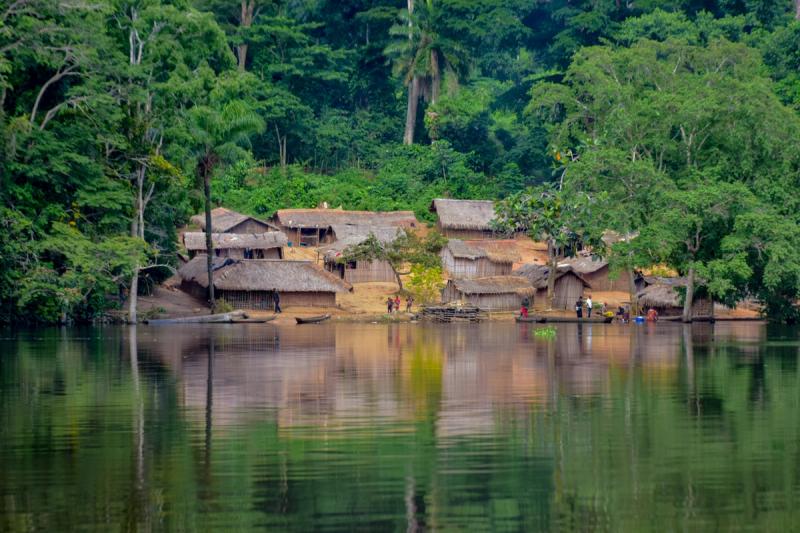
Photo Credit: Unsplash
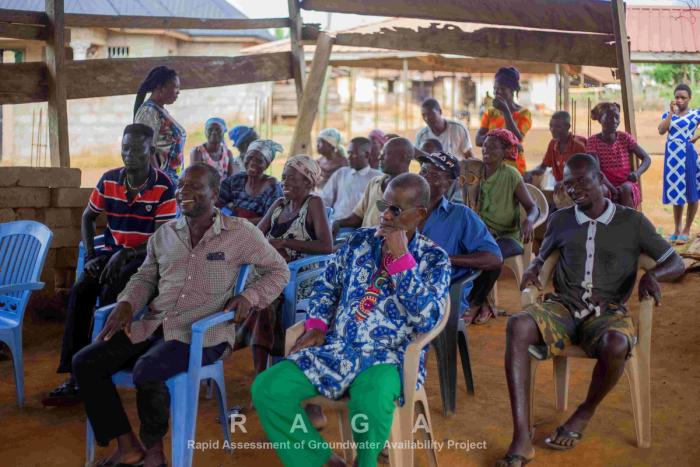
RAGA - Rapid Assessment of Groundwater Availability
In Ghana, millions relying on rainfed agriculture face hunger and poverty when water runs dry. RAGA-Africa, an AI-driven, open-source platform, predicts groundwater availability and delivers real-time insights via smartphones or computers. By empowering communities, water practitioners, and policymakers, the project strengthens decision-making, builds local capacity, and offers a scalable, community-centred model for responsible AI in water security and climate adaptation.
AI for Climate-Smart Farming & Women Empowerment
This project uses AI-driven weather prediction tools to help rural women farmers in West Africa adapt to unpredictable rainfall. By providing accurate, localized forecasts, women can plan planting and avoid costly mistakes. Co-designed with communities and stakeholders, the open-source tools boost adoption of digital farming, strengthen economic resilience, and offer a scalable model for climate-smart agriculture.
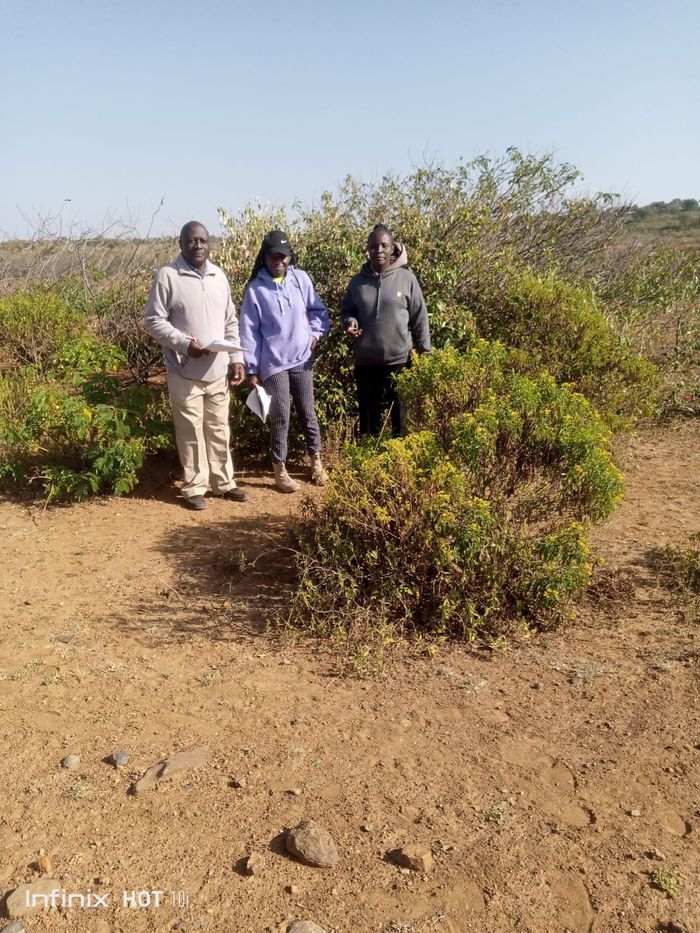
Smart Technology for Climate Change Effects on Terrestrial Plants Diversity and Conversation for Sustainable Livelihood
Kenya’s North Rift, rich in biodiversity, faces mounting climate threats that traditional conservation struggles to track. This project uses SMART technology and AI to map 139 plant species, predict climate impacts, and guide restoration. By combining data with community education, it empowers local decision-making, supports indigenous species, and offers a scalable model for resilient, evidence-based conservation.