Haqila App
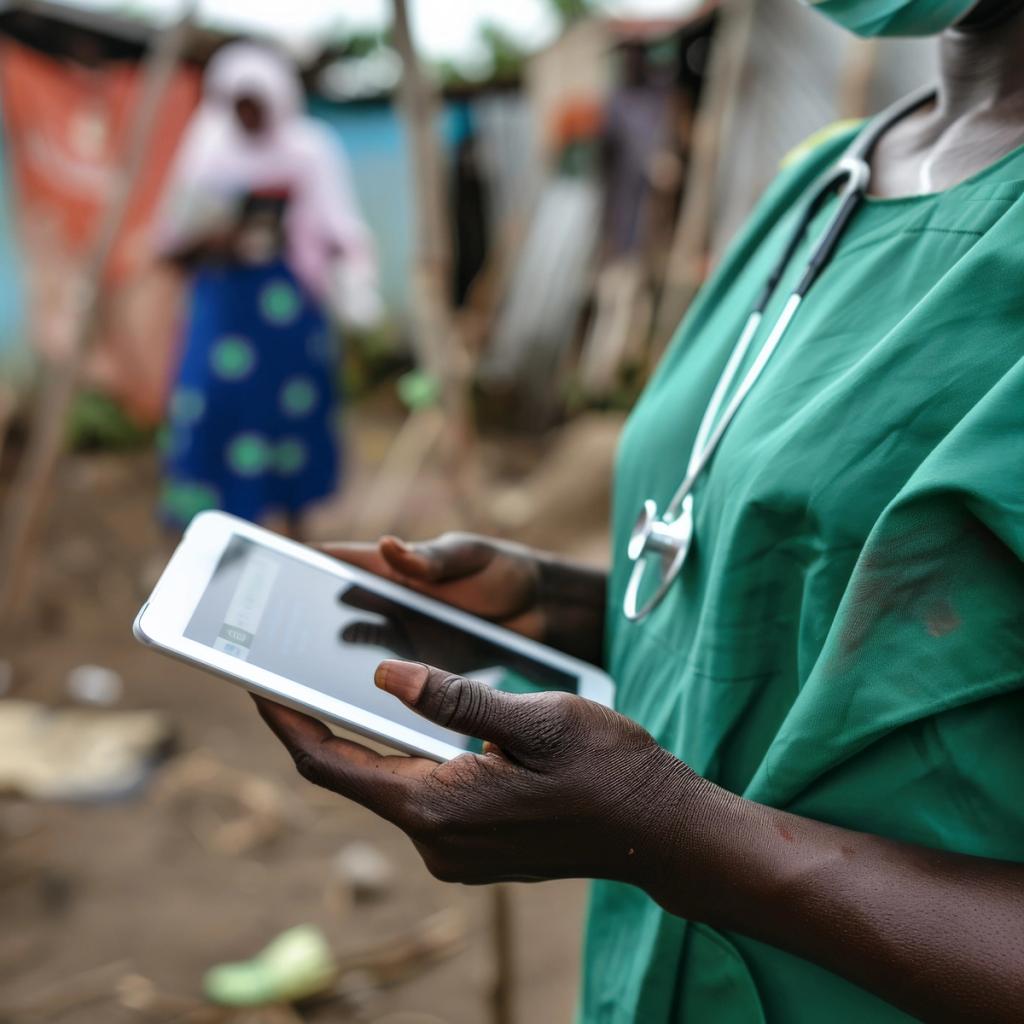
Photo Credit: Feepik
Overview
In Ethiopia, disease surveillance systems face persistent gaps such as slow outbreak detection, overstretched frontline health workers, and communities left outside the information loop. For the people most at risk, these gaps can mean the difference between a contained outbreak and a public health crisis.
The Haqila App addresses this directly. Designed for and with frontline health workers, it delivers real-time, AI-powered decision support to more than 1,500 community health workers across Ethiopia. Its PolioAntenna system captures and analyses Acute Flaccid Paralysis signals directly from communities faster and more accurately than conventional approaches while the app also flags early indicators of other infectious diseases including Measles, Mpox, and Brucellosis.
Together, these tools have supported surveillance activities covering more than 120,000 people, accelerating outbreak detection and shortening response times at a scale that manual systems cannot match. Crucially, Haqila was built locally, grounded in the realities of Ethiopia's health system, and designed to be responsible from the ground up.
The project demonstrates that AI-enabled public health infrastructure need not be imported, it can be grown from within. With the right support, Ethiopia is positioned to scale this innovation nationally, protect millions more, and offer a replicable model for early warning systems across Africa.