AI and Mathematical Modelling for Mpox Response in Ghana
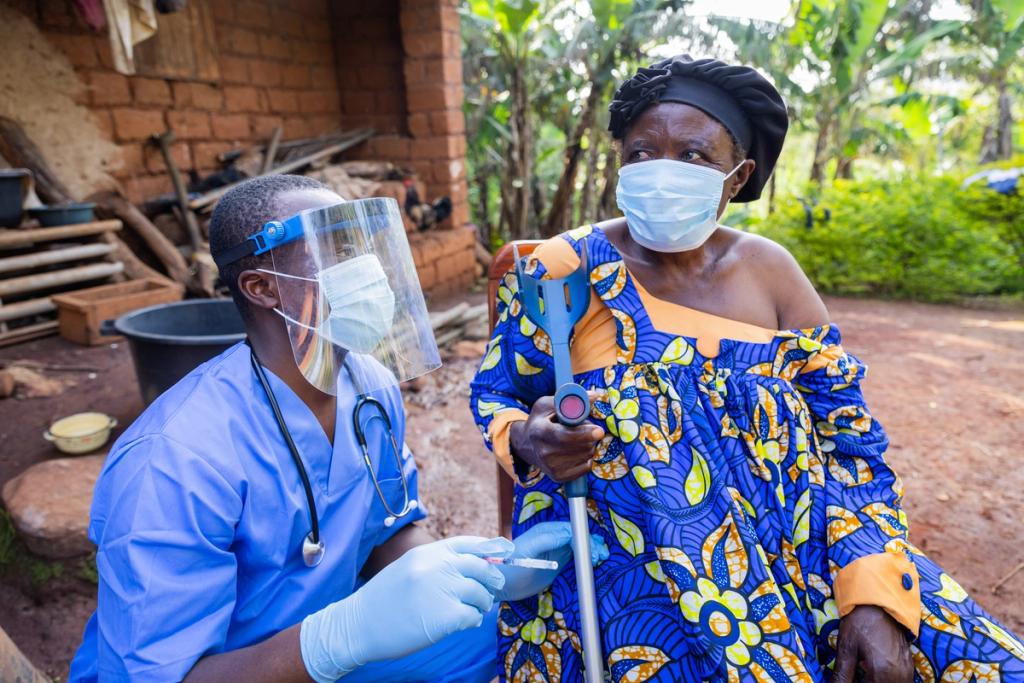
Photo Credit: Feepik
Overview
In Ghana, the spread of Mpox is entangled with deforestation, artisanal mining, and human-wildlife contact, all environmental pressures that existing public health messaging rarely addresses. For communities already navigating the consequences of ecological change, the gap between disease risk and public understanding carries real consequences.
The Kwame Nkrumah University of Science and Technology (KNUST) is closing that gap. The project combines AI and mathematical modelling to strengthen evidence-based Mpox prevention and response, while a public-facing information dashboard makes risk data accessible beyond specialist audiences. Critically, the work reaches people where they are. National television, radio, and social media have carried clear, grounded explanations of how environmental degradation shapes disease risk, with ChannelOne News amplifying the message at scale.
The results extend well beyond Mpox surveillance. By weaving One Health principles into mainstream public discourse, KNUST has helped lay the groundwork for more integrated epidemic preparedness in Ghana.