AI-based risk predictive tool for early diagnosis and treatment of Gestational Diabetes
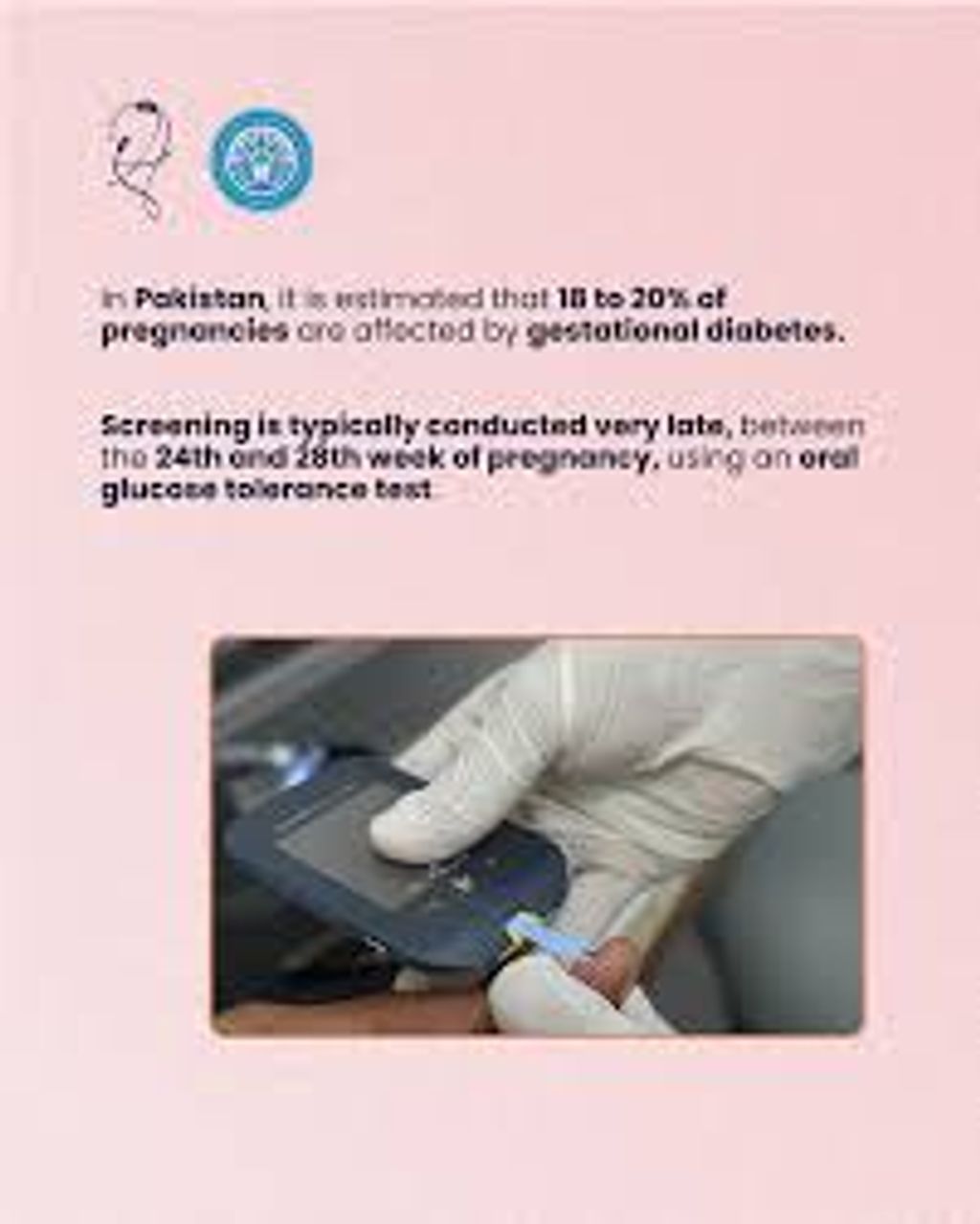
Photo Credit: AI Sarosh
Overview
Gestational diabetes affects an estimated 18–25% of pregnant women in Pakistan, yet it is frequently diagnosed too late for meaningful intervention. Limited access to screening, compounded by cultural dietary practices, raises the risk of postpartum diabetes, pre-eclampsia, and stillbirths with the heaviest burden falling on women in low-resource settings.
The project deploys a responsible AI predictive tool that flags high-risk pregnancies as early as the first trimester well ahead of when conventional screening typically occurs. Built on diverse clinical datasets and machine learning algorithms, the tool was developed through collaboration between AI and software specialists at NUST and the JCI-accredited clinicians at Shifa International Hospital, and designed from the outset for integration into everyday clinical workflows. Community input shaped its development, and it has been adapted to function effectively in low-resource conditions.
The model is showing accuracy rates between 75% and 88% in pilot testing. Clinicians are now exploring how to embed it into routine antenatal care, with the potential to shift gestational diabetes management from reactive treatment to early, targeted prevention.