AI/ML for Congo Basin Climate & Renewable Energy
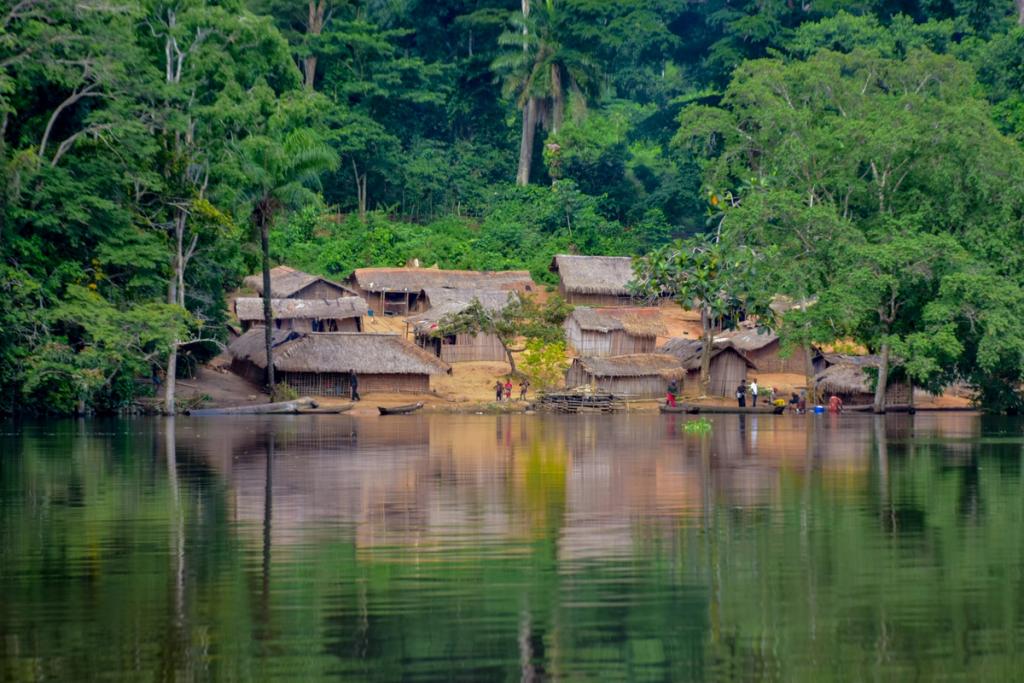
Photo Credit: Unsplash
Overview
A research initiative led by the University of Bamenda is using AI and machine learning to bring clean energy and climate intelligence to rural Cameroon transforming how communities and regional authorities plan for a sustainable future in the Congo Basin.
Rural Cameroon faces a dual crisis: widespread energy poverty and accelerating environmental degradation. Without reliable power or granular climate data, underserved communities remain locked out of economic opportunity, while deforestation and shifting water availability go largely untracked and unaddressed by regional planners.
The project deploys a suite of AI and ML techniques including neural networks, random forest models, and cellular automata to model climate change, predict renewable energy potential, and monitor landscape dynamics across the Congo Basin. On the ground, this modeling work directly informed the deployment of a functional solar power plant serving rural communities. Capacity building programs, with a strong focus on gender equity, ensure that local people not outside experts manage, maintain, and expand the technology over time.
The results are already reshaping lives and policy. Communities that previously lacked reliable electricity now have clean power supporting livelihoods, health, and education. Regional authorities are using the project's climate models to monitor deforestation trends and water availability, strengthening long-term decision-making for renewable energy investment across the region. By combining rigorous scientific modeling with genuine community ownership, the project offers a replicable blueprint for responsible, locally-led AI deployment in climate-vulnerable, low-resource settings.