Gender and Disability Inclusion
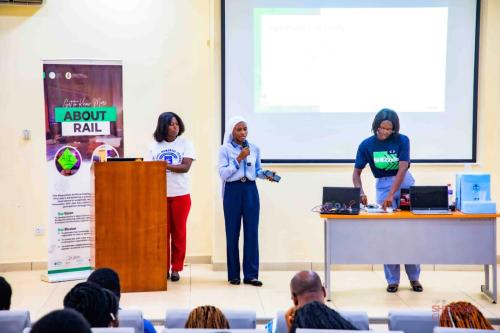
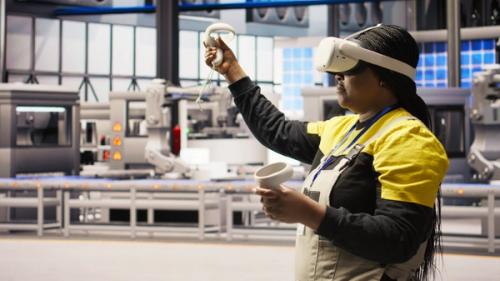
Artificial intelligence holds enormous potential to advance equity across the Global South, but only if it is designed with the people it is meant to serve. AI4D recognizes that gender and disability are not peripheral concerns — they are fundamental to whether AI systems produce fair outcomes or compound existing disadvantage. Across our portfolio, we fund research, projects, and innovations that embed inclusion at every stage of design, development, and deployment.
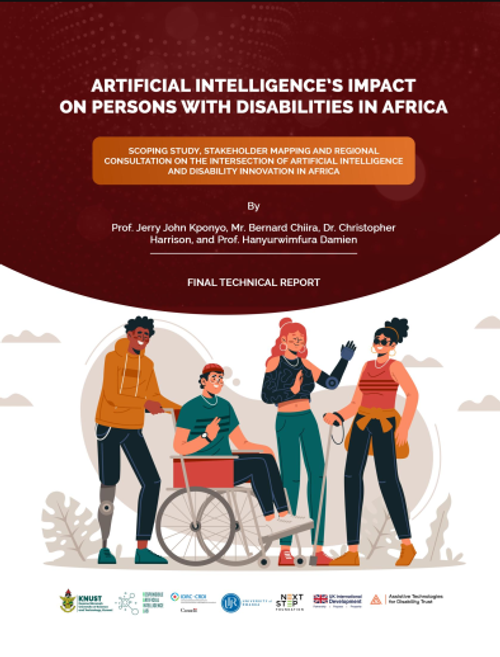
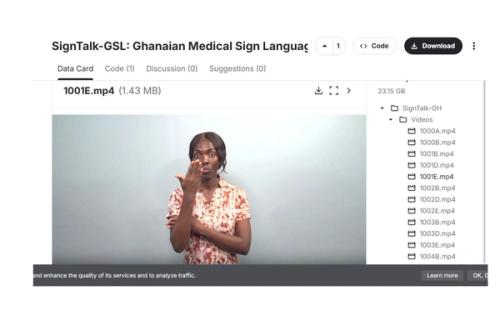
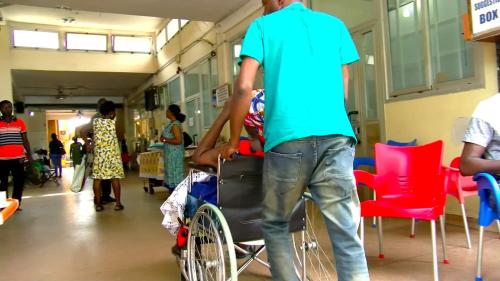
For people living with disabilities worldwide, a disproportionate share of whom live in low- and middle-income countries, AI-powered assistive technologies represent a genuine opportunity to improve access to health, education, and economic life. Yet mainstream AI systems routinely exclude people with visual, hearing, speech, and mobility impairments through inaccessible interfaces, unrepresentative training data, and the absence of meaningful co-design. AI4D-supported work is building the evidence, tools, and governance frameworks needed to change this.
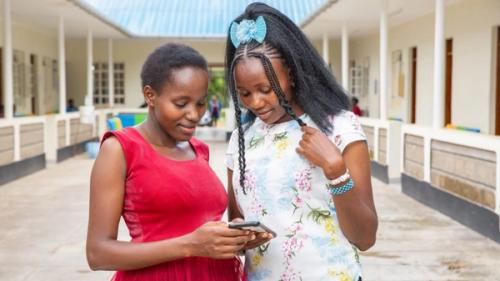
Women and girls across Africa, Latin America, and South and Southeast Asia face compounding barriers to participating in and benefiting from AI: under representation in datasets, gender-biased algorithms, limited access to digital infrastructure, and exclusion from the research and policy spaces where AI decisions are made. AI4D invests in initiatives that address these barriers directly, from tools that detect and mitigate gender bias in speech and translation systems, to innovations designed by and for the women most affected.
Related Content
Explore the projects, research, blog posts, and innovations from across the AI4D portfolio that address gender equity and disability inclusion in artificial intelligence.