RAGA - Rapid Assessment of Groundwater Availability
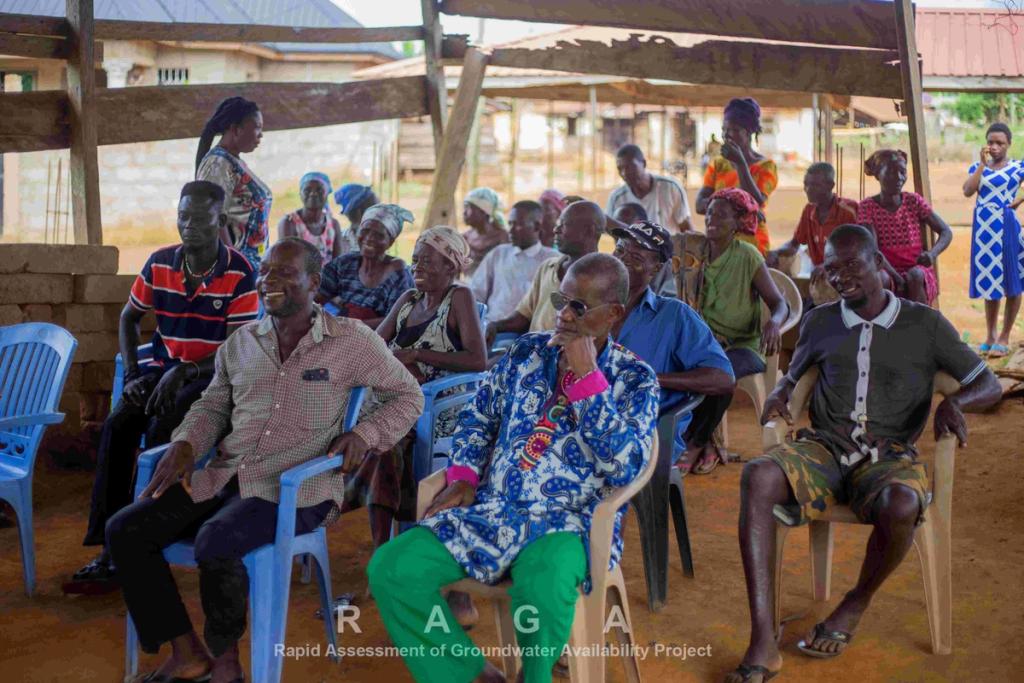
Photo Credit:
Overview
In Ghana, millions of people dependent on rainfed agriculture face hunger, illness, and poverty when water runs dry yet until now, groundwater monitoring has been a slow, static, and largely inaccessible process. RAGA-Africa, an AI-driven open-source framework developed to predict groundwater availability across Ghana, is changing that putting life-saving water security data directly in the hands of communities and practitioners through a simple smartphone or computer.
Across Ghana, vulnerable communities have long lacked the tools to anticipate and respond to groundwater variability driven by climate change. Traditional monitoring methods offered snapshots rather than dynamic, real-time insight leaving water practitioners, policymakers, and farmers unable to plan ahead. With climate pressures intensifying, the stakes could not be higher: water scarcity translates directly into crop failure, disease, and loss of life.
The project has built a comprehensive database of hydrogeological, geological, climatic, and groundwater data for Ghana, and used it to develop and launch raga-africa.com a web-based application offering rapid groundwater availability assessments covering prospectivity, yields, recharge, and groundwater levels across the Central Region and Densu Basin. By shifting groundwater monitoring from a static to a dynamic process, the open-source platform is freely accessible to both groundwater professionals and the general public, with no technical barriers to entry.
The impact is already taking shape. Water practitioners now have a powerful, evidence-based tool to guide decision-making, while communities on the frontlines of climate change gain visibility into the resource they depend on most. Through training graduate students including female students and water practitioners, the project is also building lasting local capacity. As the framework scales across Ghana and beyond, it offers a replicable, community-centred model for using responsible AI to strengthen water security and climate adaptation across Africa