Smart Technology for Climate Change Effects on Terrestrial Plants Diversity and Conversation for Sustainable Livelihood
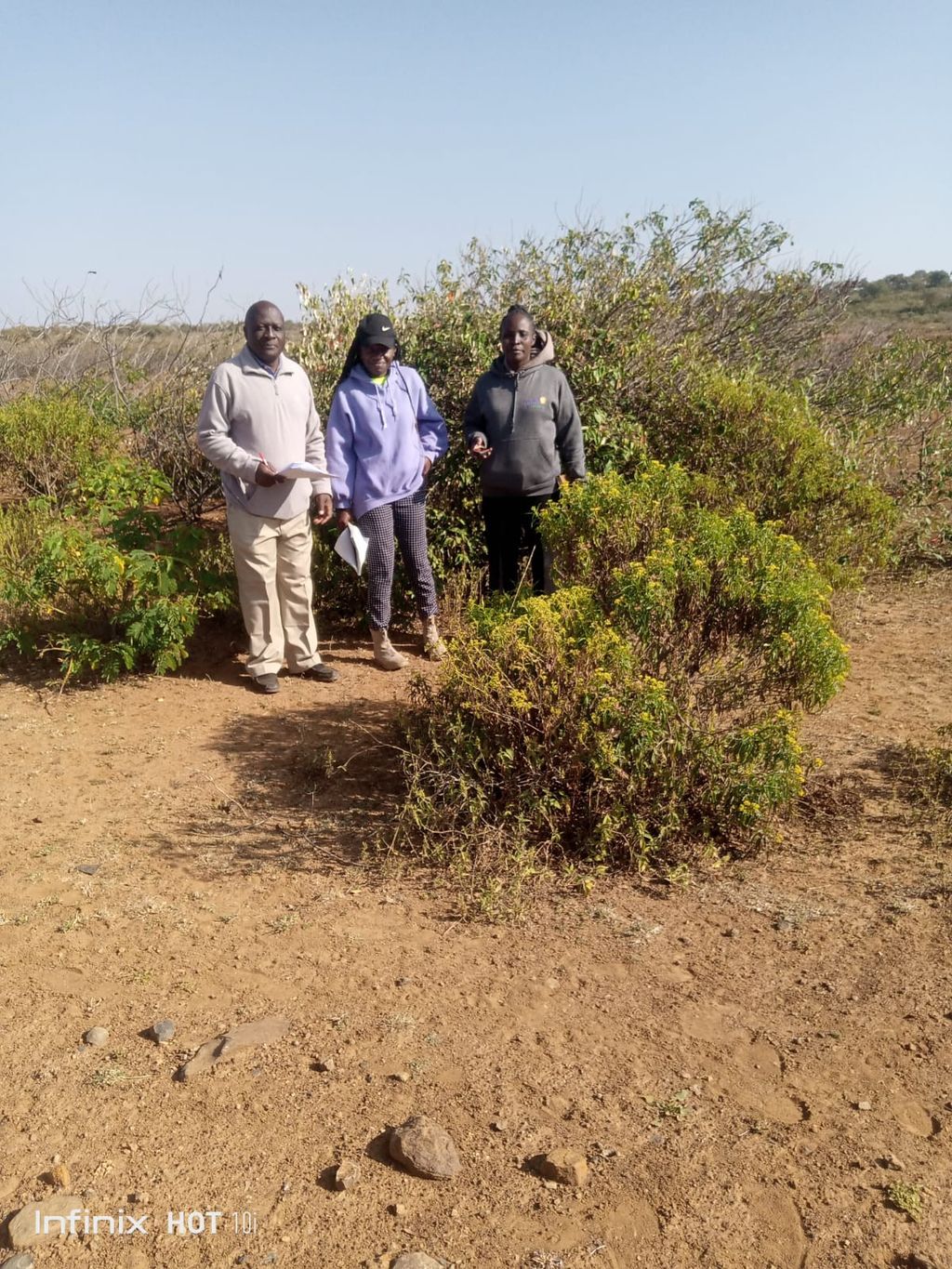
Photo Credit: Kibabii University
Overview
Covering 8 counties and home to extraordinary botanical diversity, Kenya's North Rift faces accelerating threats from climate change that traditional conservation methods have struggled to track or predict. Without reliable data on how shifting climatic patterns are affecting local vegetation, communities and policymakers have had little basis for making informed land and conservation decisions.
The project deploys SMART technology to analyze climatic trends and build predictive models for how climate change will affect terrestrial plant diversity across the region. Through a multi-stakeholder approach, researchers identified 139 distinct plant species across 46 families 119 indigenous and 20 exotic mapping dominant species by location using both local and scientific names. Critically, the project prioritizes indigenous species in its restoration recommendations to preserve ecological integrity, and pairs this with community education programs that help local people interpret environmental data and make their own informed decisions.
The result is a scalable, community-driven model for AI-assisted conservation in under-resourced settings. By putting reliable, localized climate and biodiversity data in the hands of communities and decision-makers, the project is laying the groundwork for more resilient ecosystems and evidence-based conservation policy across one of Kenya's most ecologically significant regions.